Showing posts with label Tradition Chinese Medical Science. Show all posts

Thursday, March 14, 2019

Unique Therapies in Traditional Chinese Medicine

Unique Therapies in Traditional Chinese Medicine

ACUPUNCTURE AND MOXIBUSTION THERAPY
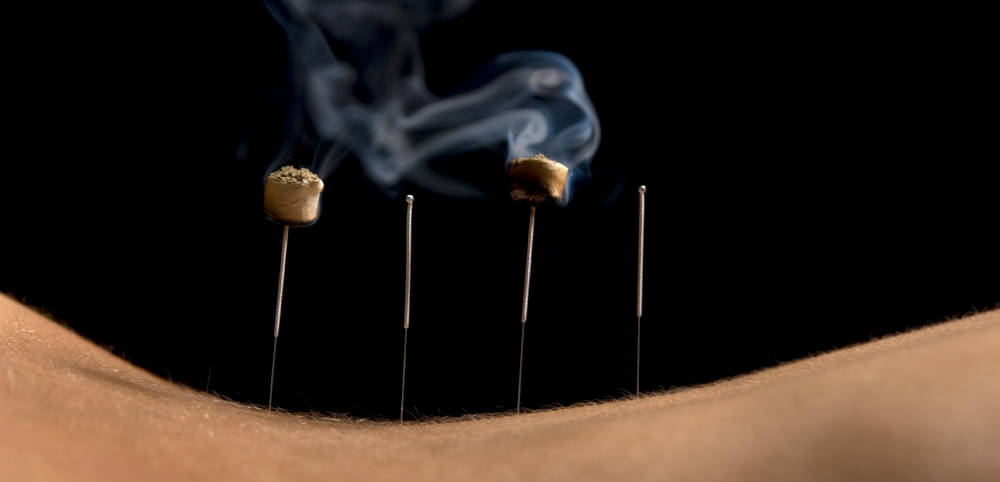
  • Acupuncture and moxibustion therapy has a history of thousands of years. The acupuncture and moxibustion therapy involves the use of jabbing with needles and the placement of burning crushed dry moxa. In acupuncture therapy, specially made needles are used to jab into certain acupuncture points of the body of a patient, curing diseases by twirling or lifting the needles.
  • As for moxibustion, dry moxa is crushed and then lit up to fume and scorch certain acupuncture points on the skin, curing diseases by the stimulation of heat.
  • The acupuncture and moxibustion originated sometime around the New Stone Age and began to be widely used during the Spring and Autumn Period
  • The rationale for acupuncture and moxibustion therapy is: Main and collateral channels as a network of passages for the circulation of energy and blood are all over the human body and its function are to connect the external and internal, the upper and lower part of human body. 
  • To jab or scorch certain acupuncture points on the surface of the human body can stimulate the human body through the meridians, then adjust the internal function inside the human body, improve its ability to prevent diseases or cure diseases
  • The acupuncture and moxibustion therapy spread to Japan and Korea as early as in the Han and Tang Dynasties and to Arabia and Europe in sequence in the Song and Yuan Dynasties and is still thought of highly up to now
「acupuncture bronze man」的圖片搜尋結果
A bronze human with marked acupuncture points
相關圖片
Acupuncture and moxibustion

MASSAGE
  • In massage therapy, an aspects of traditional Chinese medicine, a massager uses his hands and other limb parts to push, press, nip and knead the acupuncture points or the surface of the human body for the purpose of disease prevention, healing, health improvement and cosmetology. It belongs to the external therapy of traditional Chinese medicine.
  • Chinese medical massage has a long history. It reached its climax and was spread to Korea, Japan and India during the Sui and Tang Dynasties. 
  • As a kind of natural therapy, Chinese medical massage has the strong points of less trauma and fewer side effects. As people are attaching much importance to natural therapy with no medicine, trauma or side effects, the Chinese massage therapy techniques are recognized and accepted in more and more countries.
SCRAPING TREATMENT
  • Scraping treatment was long popular among people in ancient China. People used copper coins and twine dipped in water or sesame oil to scrape the chest or backs of a patient, alleviating internal inflammation by making local hyperemia on the skin.
  • Today, scraping treatment has developed from the previous superficial, simple empirical treatment into one of natural therapies guided by a systematic Chinese medical theory. The tools used in scraping treatment are usually special plates made of buffalo horns or jade and the therapy is applicable to eliminating fatigue, losing weight, cosmetology and keeping fit.
「scraping treatment」的圖片搜尋結果

CUPPING THERAPY
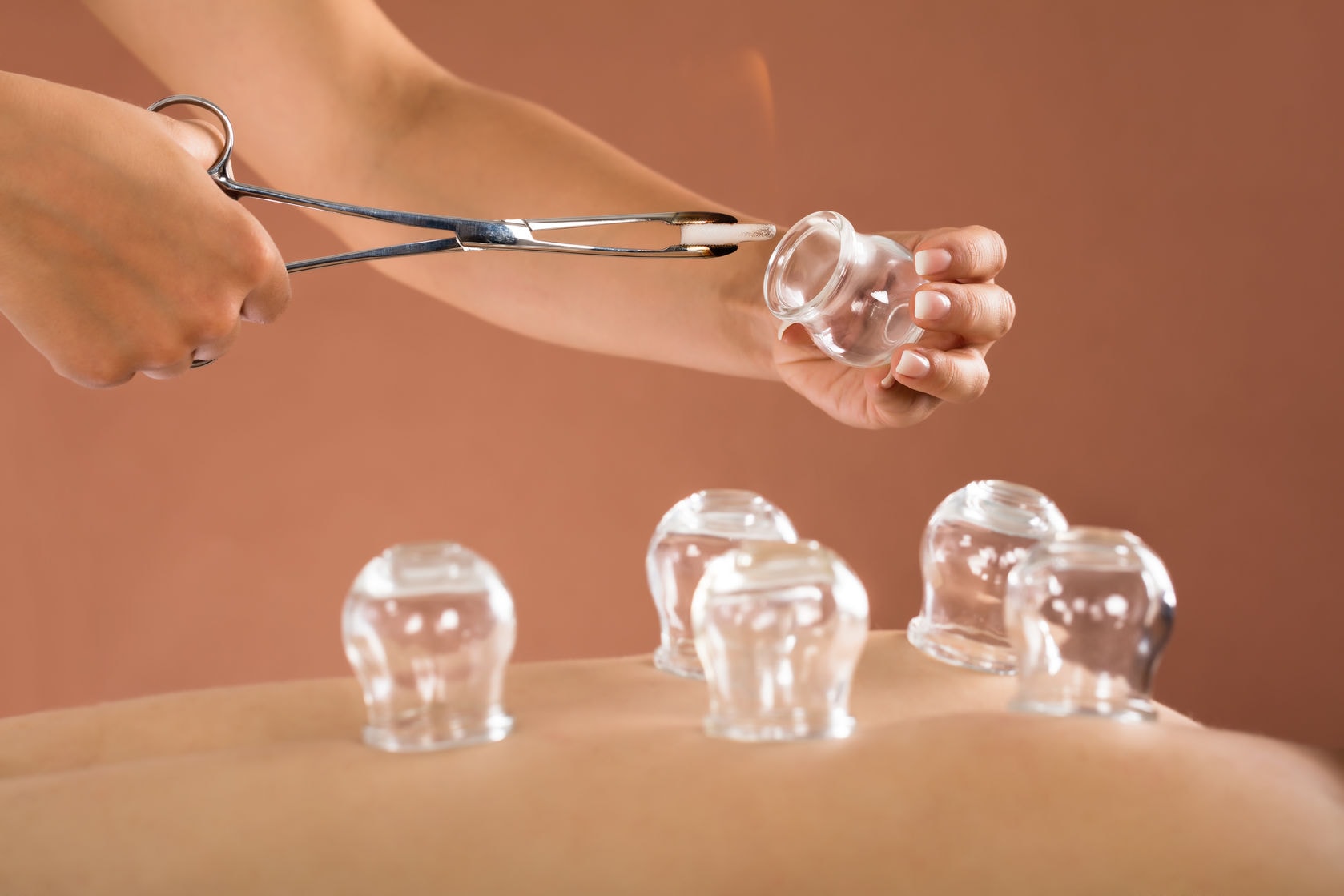
  • In cupping therapy, cups made of bamboo, pottery or glass are heated and attached to the skin by means of a heat vacuum, causing hyperemia and thus cure the diseases.
  • In ancient times, cupping therapy was used for the surgical treatment of inflammation with pyogenesis and was later extended to tuberculosis, rheumatism, rheum, insomnia and others.
  • This therapy is simple and effective, hence being passed down from generation to generation, and is still popular today, even rousing interest among some foreigners
「cupping therapy」的圖片搜尋結果

Unique Tradition Chinese Medical Science

Unique Tradition Chinese Medical Science

Traditional Chinese medicine is a systematic science which is particularly concerned with wholeness and carries a unique theory. Its theoretic system was largely formed in the Spring and Autumn Period and the Warring States Period and was constantly developed and improved afterwards. It is not only a precious piece of legacy in the history of Chinese culture but has made enormous contributions to the development of world of medicine.

Traditional Chinese medicine views the human body as a part of nature as a whole. In treatment, it not only takes into account the human body itself but pays much attention to the relations of diseases to the patient's psychology and living habits and to the outside environment, especially to climatic changes and then carries out all-round analysis and treatment in reference to the causes and symptoms of the diseases of the patient. 

The Canon of Medicine of the Yellow Emperor which occurred in the Warring States Period, is the earliest extant medical experience in and before the Spring and Autumn and the Warring State periods (770-221 BC), laying a theoretical foundation for traditional Chinese medical science. The Febrile and other Diseases which was written by Zhang Zhongjing, a renowned doctor of the Eastern Han Dynasty, is one of the most influential works in the history of traditional Chinese medicine. Hua Tuo, a reputed doctor of the Eastern Han Dynasty was the first in world to use anesthetic (Mafeisan) in surgery and was called the 'founder of surgery'

THE TRADITIONAL DIAGNOSING METHODS OF CHINESE MEDICINE

相關圖片

1. Observation
  • To observe the appearance of the patient
  • Example : His countenance and the sign of his vigor or lack of vigor
2. Auscultation and olfaction
  • Listening to the sounds and smells let out by the patient
3. Interrogation
  • To enquire about the course of disease and the status quo of the patient
4. Pulse feeling and palpation
  • Involve inspection of the patient's pulse
  • Bian Que, a famous doctor of the Warring States Period who is reputed to be the 'founder of Chinese medicine' was especially good at it
  • The application of pulse feeling and palpation indicates that the physicians of ancient China had grasped the relationships between pulse and each part of human body.
TRADITIONAL CHINESE MEDICINE
Traditional Chinese medicine mainly come from plants, animals and minerals. These medicines not only enrich the world medical system, but are widely used in the field of regimen and cosmetology. There were many monographs about medicines and prescriptions in ancient China. For example, the Essential Formulas for Emergencies [Worth] a thousand Pieces of Gold compiled by Sun Simiao of the Tang Dynasty collects more than 6500 prescriptions and has been praised as an 'encyclopedia of clinical medicine' and the Compendium of Materia Medica written by Li Shizhen of the Ming Dynasty (1368-1644 AD) includes 1892 medicines, 1109 illustrations and 11096 prescriptions, quite deserving to be called a complete collection of medicines in the ancient world.

相關圖片
Chinese Traditional Medicine

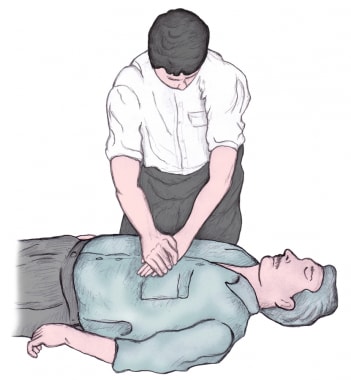
Cardio-Pulmonary Resuscitation (CPR) - Part 1: Introduction

Cardio-Pulmonary Resuscitation (CPR) - Part 1: Introduction CARDIO-PULMONARY RESUSCITATION (CPR) Cardio-Pulmonary Resuscitation (CPR...